




Social Dynamics in the Digital Age: How We Belong, Behave, and Build Together Online

Selected theme: Social Dynamics in the Digital Age. Welcome to a friendly deep dive into how our feeds shape friendships, conflicts, creativity, and community. Today we explore stories, habits, hidden forces, and hopeful practices that help us connect with empathy and wisdom online.

Algorithms and Attention: The Invisible Architecture of Our Feeds

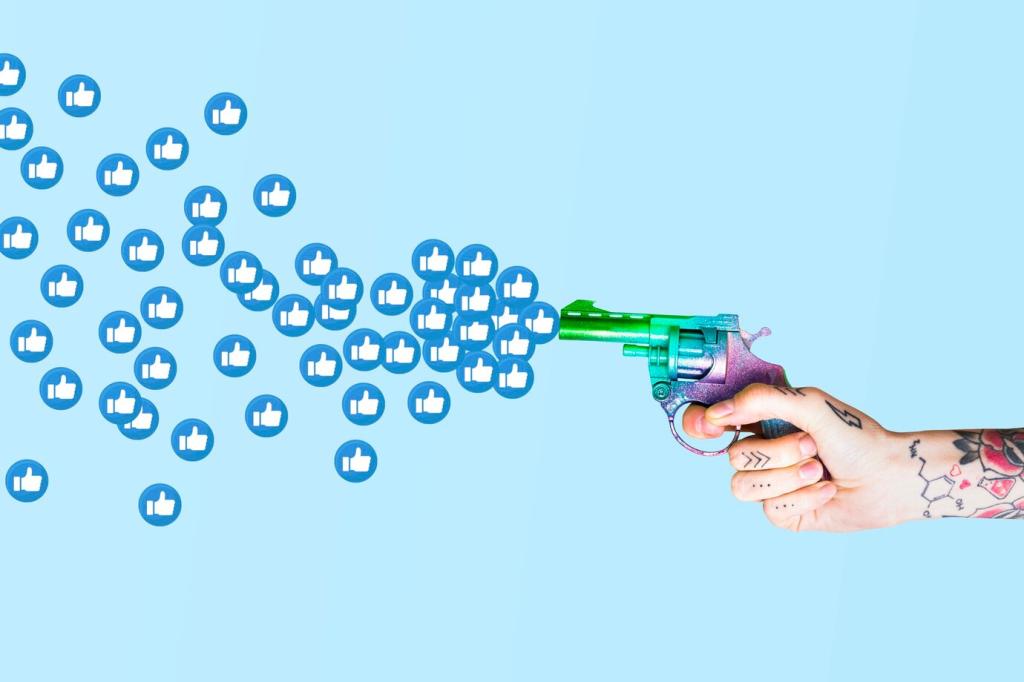
When likes and shares determine what we see, novelty and emotion rise. This can inspire creativity, yet also nudge us toward outrage. Naming the pattern helps us pause, breathe, and curate feeds that elevate learning, nuance, and respectful curiosity.

Algorithms and Attention: The Invisible Architecture of Our Feeds

Try muting three outrage-heavy sources for one week and following two thoughtful voices who challenge you gently. Readers report calmer mornings and richer discussions. Share your results and tag a friend to join, building a quieter, more intentional attention economy together.
Identity, Anonymity, and Authenticity Online

A pseudonym can safeguard vulnerable voices, enabling difficult truths and playful experimentation. Yet it can also distance accountability. Healthy communities make room for protected expression while insisting on humane, consistent conduct, regardless of names or avatars.

Identity, Anonymity, and Authenticity Online

Authenticity is less about sharing everything and more about aligning your values with your actions. One reader shared how posting fewer polished updates and more thoughtful comments changed their friendships, inviting deeper messages, meetups, and surprising collaborations beyond the timeline.

Identity, Anonymity, and Authenticity Online

Write three things you share publicly, three for trusted circles, and three strictly offline. Comment with one boundary you’re proud of. Invite a friend to craft theirs with you, and subscribe for monthly prompts that support healthy, resilient digital identities.

Digital Etiquette and Conflict: Practicing Grace at Internet Speed

When emotions flare, waiting twenty minutes can transform a conversation. Draft, pause, revise. Ask a clarifying question instead of assuming intent. This small delay signals care, lowers defensiveness, and often reveals shared goals hiding beneath sharp words.
Rumors feel urgent, emotional, and easy to retell. Corrections require patience and humility. Communities that praise careful sourcing—linking experts, context, and accountable updates—build reputational capital that pays off when stakes are high and attention is thin.
Rituals that replace the hallway
Teams thrive on small, dependable rhythms: weekly wins threads, rotating demo days, and coffee chats pairing random colleagues. These rituals humanize avatars, reduce silos, and create psychological safety where ideas can arrive rough, sincere, and surprisingly brilliant.
Clarity beats constant availability
Define response windows, meeting-free blocks, and explicit ownership. Clear expectations protect focus and trust. One product team halved burnouts by labeling urgency levels and agreeing that thoughtful asynchronous updates outrank hurried, half-attended meetings.
Invitation: Share your best remote ritual
What practice keeps your distributed team connected and creative? Post a description others can adopt next week. We will spotlight standout submissions in our newsletter, so subscribe and invite your teammates to contribute their favorite collaboration habits.

Youth, Learning, and Digital Citizenship

Mentors matter more than filters

While tools help, consistent, caring adults shape better outcomes. One teacher described weekly media reflection circles where students analyze trends and share peer advice, turning scrolling time into purposeful learning and leadership.

Co-writing family agreements

Instead of top-down rules, co-create device norms with kids: bedtime charging, friend approvals, and conflict plans. Ownership increases follow-through. Families reported fewer arguments and more candid conversations about tricky posts and pressures.

Community ask: Resources that actually help

Recommend podcasts, videos, and guides that teach empathy, privacy, and critical thinking. Comment your top three and explain why they resonate. Subscribe to receive a curated, age-appropriate toolkit compiled from our community’s most trusted suggestions.
Kankenofficial
Privacy Overview

This website uses cookies so that we can provide you with the best user experience possible. Cookie information is stored in your browser and performs functions such as recognising you when you return to our website and helping our team to understand which sections of the website you find most interesting and useful.